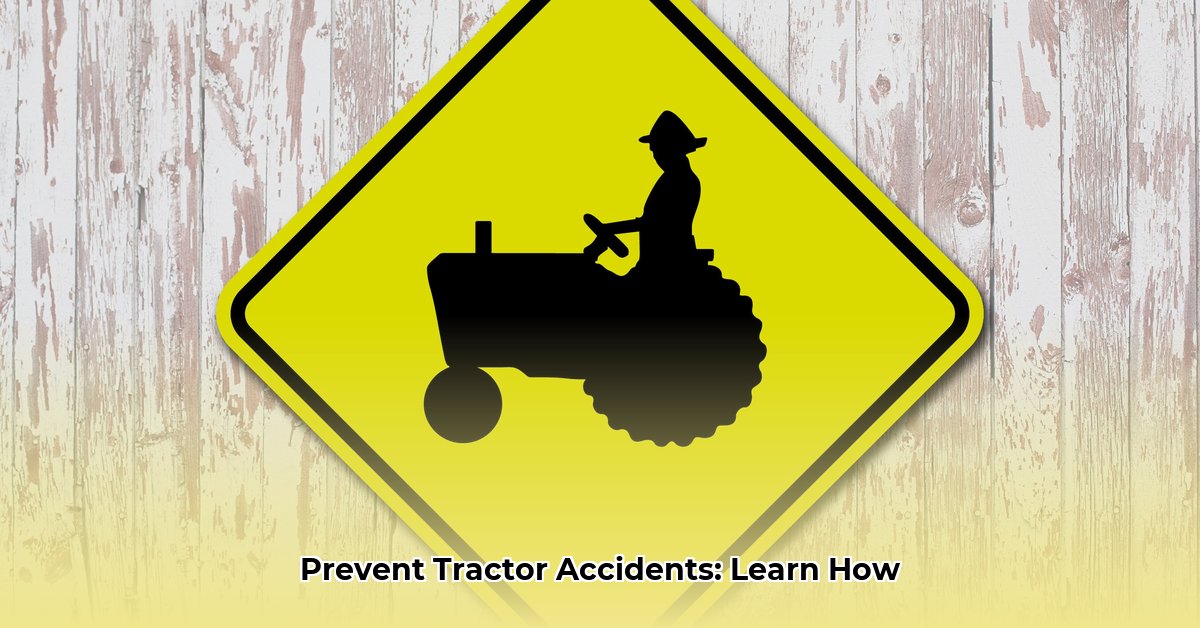
Tractor Crossing Signs: A Practical Guide to Enhanced Farm Safety
Farming demands efficiency, but safety must always be paramount. Tractor crossing accidents are preventable, and effective signage plays a crucial role in mitigating these risks. This guide provides actionable steps to improve farm safety through the strategic use of tractor crossing signs. We'll cover regulations, material selection, installation, maintenance, and training, demonstrating how a small investment can generate significant long-term returns. For more information on tractor accidents, see this helpful resource.
Understanding the Crucial Role of Tractor Crossing Signs
Imagine this: a clearly visible tractor crossing sign acts as a warning, alerting drivers—both farm workers and the public—to potential hazards. Without them, you’re relying on chance, not safety. A single accident can result in injuries, equipment damage, and substantial financial losses. Investing in proper signage isn't just a legal requirement; it's a commitment to a safer work environment. Failing to prioritize safety can lead to significant long-term costs, impacting both your bottom line and your peace of mind. What's the cost of not having adequate safety measures?
Navigating Regulations: MUTCD Compliance and Local Ordinances
Understanding the rules is the first step. The Manual on Uniform Traffic Control Devices (MUTCD) provides national standards for traffic control devices. However, always check your local ordinances for any supplemental or more stringent requirements. Compliance not only protects you legally but also ensures your signs meet minimum visibility standards for effectiveness. Your local agricultural extension office can provide valuable resources and guidance in navigating local regulations.
Selecting the Right Tractor Crossing Sign: Materials, Design, and Size
Durability and visibility are paramount. Aluminum is highly recommended due to its rust resistance and longevity. Engineer-grade reflective sheeting (such as 3M™ Diamond Grade™) is essential for maximizing visibility, particularly at night and in low-light conditions. Larger signs are more easily seen, even from a distance. Consider adding arrows or specific warnings (e.g., "Slow—Farm Equipment Crossing") as needed, based on the specific location and traffic patterns.
Installation and Upkeep: Ensuring Ongoing Effectiveness
Proper placement is critical. Mount signs in locations with clear sightlines, avoiding obstructions that might impede visibility. Securely fasten the signs to withstand weather conditions. Regular inspections are vital. Check for damage, fading, or wear and tear. Promptly replace damaged signs to maintain their effectiveness. A proactive maintenance schedule ensures your signs remain effective for years to come.
Training and Ongoing Safety Practices: A Multifaceted Approach
Effective signage is only part of the solution. Comprehensive worker training is equally critical. Conduct regular safety meetings, emphasizing the importance of signage and encouraging workers to report any damaged or obscured signs. Incorporate safety procedures into daily routines, fostering a culture of safety awareness among all employees.
Cost-Effectiveness and Return on Investment (ROI)
While the initial investment might seem significant, consider the potential costs associated with accidents—medical bills, equipment repair or replacement, legal fees, and lost productivity. High-quality, durable signs represent a long-term cost savings by reducing the risk of accidents. Furthermore, demonstrating a commitment to safety can positively influence your insurance premiums. A safer farm is a more productive and financially stable farm in the long run. Does a proactive approach to safety ultimately save your farm money?
Real-World Examples: The Positive Impact of Clear Signage
Many farms have seen a significant reduction in near-miss incidents and accidents after implementing effective signage programs. While quantifiable data may vary based on specific circumstances, anecdotal evidence strongly suggests a correlation between clear, well-maintained signage and improved farm safety. These examples highlight the positive impact of prioritizing effective tractor crossing signs.
Actionable Steps: A Practical Guide
- Assess your needs: Identify all farm crossings requiring signage.
- Consult regulations: Review MUTCD standards and local ordinances.
- Strategic placement: Install signs in highly visible locations, ensuring clear sightlines.
- Regular inspections: Conduct routine checks for damage and implement a timely replacement schedule.
- Comprehensive training: Educate your staff on the importance of safety signage and reporting hazards.
By implementing these steps, you are not only fulfilling regulatory requirements but are also actively creating a safer and more productive farm environment. Remember that continuous improvement and education are key to maintaining the highest safety standards. A proactive approach to safety contributes significantly to the long-term success and sustainability of your farm.